
Blog

By The Most:

Aug 13,2026

8 Key Differences Between Safety Valve and Relief Valve

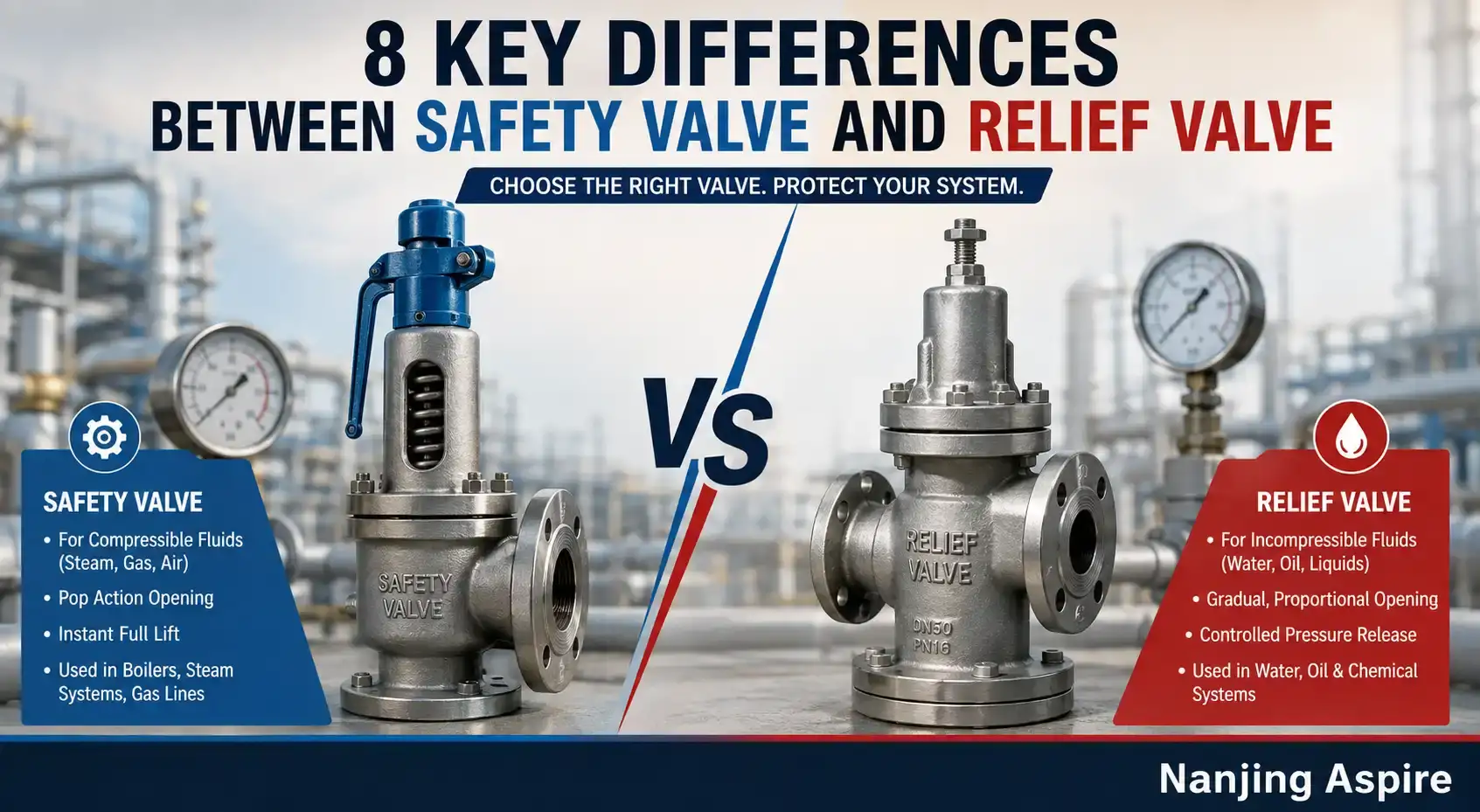
Engineers often use the terms safety valve and relief valve interchangeably, but this mix up can lead to wrong equipment selection and serious safety risks. Both devices protect pipelines and vessels from dangerous overpressure, yet they operate on different principles and suit different types of fluids. A plant manager who installs a relief valve on a steam boiler, or a safety valve on a liquid pipeline, risks equipment failure and unsafe operation. This guide breaks down the eight core differences between a safety valve and a relief valve, covering fluid type, opening behavior, applications, and industry standards, so you can select the correct device for your system.

What Is a Safety Valve

A safety valve protects systems that carry compressible fluids like steam, air, and industrial gases. The valve stays shut during normal operation and opens suddenly once pressure crosses a preset limit. This sudden action is called pop action, and it releases the excess gas or steam instantly to prevent a dangerous buildup. Once the pressure drops back to a safe level, the valve reseats and closes tightly again. Boiler rooms, gas processing plants, and steam distribution systems rely on safety valves because gas pressure can spike quickly and needs an immediate response.

What Is a Relief Valve

A relief valve protects systems that carry incompressible fluids like water, oil, and industrial chemicals. Unlike a safety valve, this device opens gradually as pressure rises above the set point. The valve releases a proportional amount of liquid rather than a full instant discharge. As pressure returns to normal, the valve closes slowly and smoothly. Water treatment plants, oil pipelines, and chemical processing units use relief valves because liquid systems build pressure more gradually and respond better to controlled release.

1. Fluid Type They Handle

The most basic difference between these two devices lies in the fluid they manage. A safety valve handles compressible fluids such as steam, air, and gas, where pressure builds quickly and needs fast release. A relief valve handles incompressible fluids such as water, oil, and chemical liquids, where pressure builds more predictably over time. This distinction determines which device fits into a given pipeline design from the earliest planning stage.

2. Opening Action During Pressure Release

A safety valve opens through pop action, meaning it snaps fully open the instant pressure hits the set limit. This full lift releases gas or steam quickly and protects the system from a sudden spike. A relief valve opens gradually instead, lifting only as much as needed to match the rising pressure. This proportional response suits liquid systems, where a sudden full opening could cause pressure shocks or water hammer in the pipeline.

3. Closing Action After Pressure Normalizes

Closing behavior also separates these two devices clearly. A safety valve closes quickly once pressure drops below the reset point, snapping shut in a manner similar to how it opened. A relief valve closes gradually as the liquid pressure eases, easing back into its seated position without a sudden motion. This gradual closing protects liquid systems from pressure surges that a sudden valve closure could otherwise trigger.

4. Typical Industrial Applications

Industries choose between these devices based on the fluid systems they operate. Steam boilers, HVAC systems, compressor stations, and gas pipelines depend on safety valves to manage sudden gas pressure spikes. Water treatment plants, oil transport lines, and chemical processing facilities depend on relief valves to manage steady liquid pressure changes. Selecting the correct device for each application keeps the system compliant and prevents equipment damage.

5. Response to Set Pressure

A safety valve activates instantly the moment system pressure reaches its set point, offering no gradual buildup before full opening. A relief valve responds proportionally, opening a small amount as pressure approaches the set point and opening further as pressure continues to rise. This proportional response gives operators more control over liquid systems where sudden full release could disrupt flow rates or damage nearby equipment.

6. Sound and Effect During Activation

Operators can often identify which device has activated just by sound and behavior. A safety valve produces an audible pop or hiss when it releases steam or gas suddenly, alerting nearby staff to the pressure event. A relief valve operates quietly, releasing liquid in a steady, controlled stream without any dramatic sound. This difference helps maintenance teams recognize which type of pressure event occurred without checking gauges first.

7. Standards and Terminology Followed

Industry codes classify these devices under different sections based on their function. Safety valves generally fall under ASME Section I, which governs power boilers and steam systems. Relief valves generally fall under ASME Section VIII, which governs pressure vessels handling liquids. Engineers reference these standards during design and procurement to confirm the device meets the correct regulatory requirements for its intended fluid and application.

8. Availability as a Combined Safety Relief Valve

Manufacturers also produce a hybrid device called a safety relief valve, built to handle both gas and liquid applications. This combined valve offers flexibility for systems that experience mixed fluid conditions or for facilities that want to standardize their equipment across multiple pipeline types. While a dedicated safety valve or relief valve still performs better in a single fluid application, the combined version works well where design flexibility matters more than specialized performance.

Final Thoughts on Choosing the Right Pressure Device

Selecting between a safety valve and a relief valve comes down to the type of fluid your system carries and the response speed your application needs. Steam and gas systems need the instant pop action of a safety valve, while liquid systems need the gradual, controlled release of a relief valve. Reviewing your system pressure, fluid type, and industry standard requirements before purchase helps you avoid costly mismatches and keeps your pipeline running safely.

Get the Right Valve for Your Application

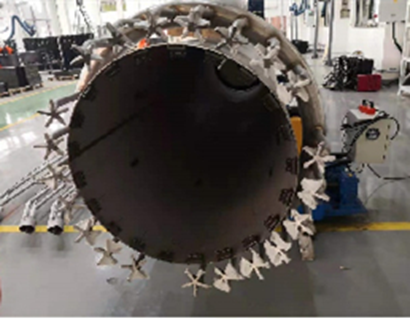
Choosing the correct pressure protection device protects your equipment, your staff, and your production uptime. Our team works directly with professional valve manufacturers processes on the factory floor, so we understand exactly how each device performs under real operating conditions. If you need a safety valve for steam or gas systems, or a relief valve for liquid pipelines, the technical team at Nanjing Aspire can help you match the right specifications to your system. Contact us today to discuss your pressure requirements and get a quote tailored to your application.
Popular Blogs

Environmental Burner: A Sustainable Solution for Waste Management

Waste management is a critical issue that affects the environment and human health. Improper waste disposal leads to pollution, soil and water contamination, and greenhouse gas emissions. With the increase in the world's population and industrialization, waste management has become a significant challenge. One innovative solution to this problem is the use of environmental burners. In this blog, we will explore what environmental burners are, how they work, and their benefits.   What are Environmental Burners? An environmental burner is a sustainable technology that converts waste materials into usable energy. The process involves burning waste materials at high temperatures in a controlled environment. The heat generated from the combustion process is then used to produce steam, electricity, or heat. Environmental burners are used in various industries, including waste management, agriculture, and food processing.   How Do Environmental Burners Work? Environmental burners work by using a process called pyrolysis. Pyrolysis is the thermal decomposition of organic materials in the absence of oxygen. In an environmental burner, waste materials are fed into a combustion chamber where they are heated to high temperatures. The absence of oxygen in the chamber prevents the waste from burning and instead, it decomposes into gases and oils. The gases produced during the pyrolysis process are burned to generate heat, while the oils are used to produce electricity. The heat generated from the combustion process can also be used to power turbines, which generate electricity. The electricity produced can be used to power homes, businesses, and even the environmental burner itself.   Benefits of Environmental Burners Reducing Landfill Waste One of the main benefits of environmental burners is that they reduce landfill waste. Landfills are a major source of pollution and greenhouse gas emissions. By converting waste into usable energy, environmental burners reduce the amount of waste that goes into landfills.   Sustainable Energy Source Environmental burners produce sustainable energy from waste materials. This reduces our dependence on non-renewable energy sources such as coal and oil.   Reduced Emissions Environmental burners emit fewer greenhouse gases than traditional waste management methods. The process of burning waste materials in an environmental burner produces fewer emissions than burning fossil fuels.   Cost-effective Environmental burners are cost-effective in the long run. While the initial cost of installing an environmental burner may be high, the savings from reduced waste disposal costs and energy bills make it a worthwhile investment.   Conclusion Environmental burners are a sustainable solution to the problem of waste management. By converting waste materials into usable energy, environmental burners reduce landfill waste, produce sustainable energy, reduce emissions, and are cost-effective in the long run. As we continue to seek innovative solutions to environmental challenges, environmental burners offer a promising future for waste management.

Door Wedges: The Unsung Heroes of Home Security

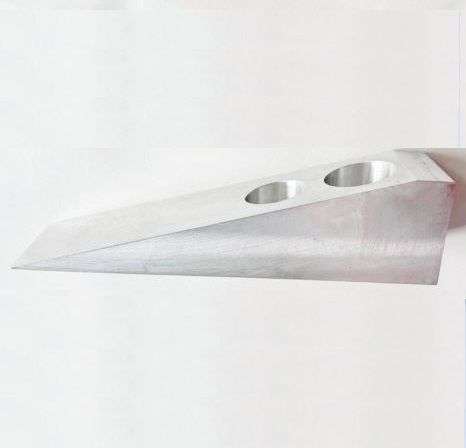
When we think of home security, we usually think of alarms, locks, and surveillance cameras. But there's one simple and inexpensive tool that can often go overlooked: the door wedge. In this article, we'll explore the many benefits of door wedges, how to use them effectively, and some of the best options available on the market.   What are Door Wedges and How Do They Work? Door wedges are small, often triangular-shaped blocks made of rubber, plastic, or wood. They are placed underneath the door, typically on the inside, to prevent it from closing completely. This keeps the door slightly ajar, making it more difficult for someone to break in. Door wedges work by creating resistance between the door and the door frame, which makes it harder for an intruder to push the door open. They are particularly effective when used on wooden doors, as they provide a firm grip on the floor and prevent the door from sliding.   Benefits of Using Door Wedges Added Security: As mentioned, door wedges provide an extra layer of security by making it more difficult for intruders to enter your home. This is especially important for those who live alone or in areas with higher crime rates. Peace of Mind: By using door wedges, you can sleep better at night knowing that your home is more secure. This can also be beneficial for those who frequently travel and want to ensure that their home is protected while they're away. Easy to Use: Door wedges are incredibly easy to use and don't require any installation or special tools. Simply place them under the door, and you're done. Versatile: Door wedges can be used on a variety of doors, including front doors, back doors, and even sliding doors. Cost-Effective: Door wedges are a very affordable security option and can be purchased for as little as a few dollars.   How to Use Door Wedges Effectively To use a door wedge effectively, follow these steps: Choose the right wedge: Make sure you choose a wedge that is the appropriate size and material for your door. Place the wedge: Insert the wedge underneath the door, on the side that opens into the room. Position it so that the door is slightly ajar but not too much that someone could reach in and open it. Test the wedge: Gently try to push the door from the outside to make sure that the wedge is holding it firmly in place. Remove the wedge: When you want to close the door, simply remove the wedge by lifting it up from the ground. 💡 Quick Tip: If you travel a lot or stay in temporary rentals, standard rubber stops might feel too flimsy in your bag. Choosing a sturdy aluminum door wedge gives you a solid, lightweight option that stands up to heavy pressure without cracking or slipping, making it an excellent upgrade for your personal travel safety kit. Best Door Wedges on the Market There are many door wedges available on the market, but some stand out for their quality, durability, and effectiveness. Here are a few of our top picks: Master Lock Door Security Bar: This heavy-duty door wedge is made of 20-gauge steel and can withstand up to 350 pounds of force. It is adjustable and fits most standard doors. Wedge-It Ultimate Door Stop: This wedge is made of durable polymer and can be used on doors with large gaps up to two inches. It also has a built-in handle for easy removal. BsnTech Networks Door Wedge: This rubber wedge is non-slip and has a strong grip on floors. It also has a built-in alarm that sounds when someone tries to open the door. In conclusion, door wedges are a simple, affordable, and effective way to enhance your home security. By choosing the right wedge and using it correctly, you can have peace of mind knowing that your home is more protected against intruders. Adding this simple tool to your daily security routine provides a practical, low-cost fix that works instantly to keep your living space safe and sound. Upgrade Your Security Setup Today Securing your home or office space starts with small, smart choices that deliver maximum reliability. If you need robust hardware designed for daily safety, adding a premium aluminum wedge from Nanjing Aspire to your doors ensures durable protection that standard plastic tools simply cannot match. We focus on manufacturing top-grade items with strict quality control so you always get dependable performance. Finding the right hardware supplies should not complicate your routine. Explore our products page to browse through our full inventory of everyday essential tools, or send a quick message via our contact page to find exactly what you need for your next project. Learn More Our Door Wedge Guides 1. Which door wedges are better between aluminum and rubber? A guide for wholesale buyers.

Get In Touch

captcha

Leave Your Comments